
YouTube & Demand Gen
Capturing Hearts Before the Search

Google now reaches over two billion logged-in users on YouTube every month, and for many local services, video is no longer supplemental — it’s foundational. The specific numbers matter less than the pattern they reveal.
We previously discussed how paid social helps break out of the organic bubble and reach pet parents beyond your existing followers. YouTube sits just above Social and just below Search.
In pet care, YouTube and Demand Gen campaigns reach parents well before urgency appears, shaping familiarity and preference long before a pet parent ever clicks on a Search ad.
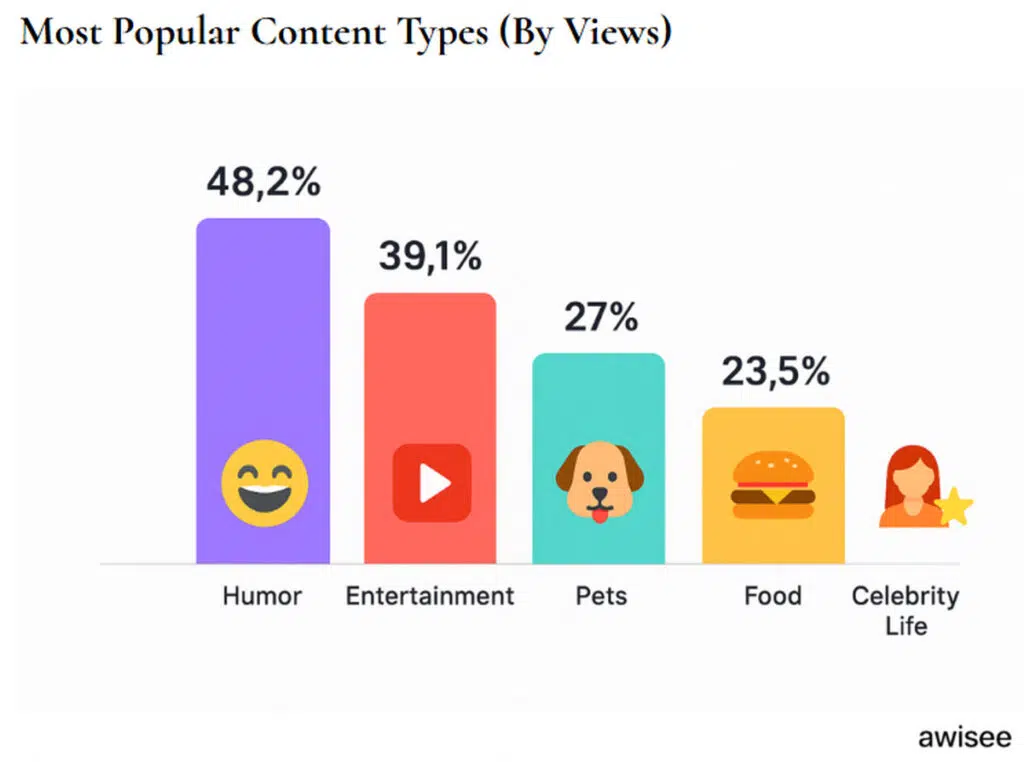
According to AWISEE, pets rank third in preferred content types (27%), behind only humor and entertainment. Taken together, these trends explain why video now plays such a strong role before Search ever begins.
Demand Gen Creates Demand Before It Exists
Search responds to intent. Demand Gen influences it.
These campaigns appear across placements like the YouTube home feed, YouTube Shorts, and Google Discover. They reach pet parents who already engage with pet-related content, travel planning, or training topics — even if a booking decision is still months away.
When those parents eventually start planning, the resort they recognize feels easier to trust.
Why Video Carries More Weight Than Text
Pet parents no longer rely solely on written claims. They want to see what a place feels like before they trust it with their dog.
Video does that quietly and effectively.
A short walkthrough of play yards, a glimpse of daily routines, or a staff member explaining how dog groupings work — these communicate structure and care without saying it directly. Transparency shows up visually.
This is where video earns its influence.
Effective Video Concepts Tend to Share a Few Traits
The videos that perform best on YouTube and Demand Gen rarely feel produced. They feel familiar.
| Video Type | Why It Works | Funnel Fit |
|---|---|---|
| Facility walkthroughs | Shows indoor/outdoor spaces transparently | Awareness |
| Dogs at play or enrichment | Candid moments build trust | Consideration |
| Staff interactions | Demonstrates supervision and routine | Consideration |
| Care explanations | Shows how dogs are grouped and cared for | Engagement |
These videos don’t try to sell. They simply show what a typical day looks like.
That normalcy builds confidence.
YouTube Shorts and Short-Form Video
Short-form vertical video (15-to-60-second clips) from phones has become a major driver of awareness, and YouTube Shorts now plays a central role in that shift.
These clips don’t need to be polished. In many cases, phone-shot (9:16 ratio) footage of dogs playing, grooming transformations, or staff interactions performs better than scripted brand videos. The content feels normal, familiar, and easy to trust.
Google’s targeting places these videos in front of people who already engage with dog-related content, pet care topics, and travel planning.
Moving From Familiarity to Action
Video rarely creates an immediate booking on its own. Its impact shows up in what happens next.
When Demand Gen campaigns include a clear next step, pet parents don’t just recognize the brand — they interact with it. They click to learn more, explore the site, or check availability. By the time they search again, the name already feels familiar, the visit feels lower risk, and reaching out feels easier.
That combination of familiarity and action often improves Search performance, even when the Search campaigns themselves remain unchanged.
What’s Next?
So far, we’ve covered searchers, scrollers, and video viewers.
Next, we’ll look at what happens in the physical world by bridging the digital-to-physical gap.
In Part 7, we’ll explore Programmatic and Geofencing — how resorts reach pet parents based on where they actually go, from pet stores to dog parks, and how those real-world signals reinforce the same familiarity built online.
Manager’s Strategic Insight: The Video Effect on Search
Managers sometimes struggle to justify video spend. The impact shows up elsewhere. For instance, one resort client ran consistent Demand Gen clips last summer; their Search CPC dropped 15% by fall as brand recognition kicked in. When YouTube and Demand Gen campaigns run consistently, Search performance often becomes more efficient. Click-through rates improve. Cost per click drops. Parents are more likely to choose a name they already recognize.
Video makes all your other advertising more effective and less expensive in the long run.
